


Towering volcanoes, thundering waterfalls, raw wilderness and gigantic glaciers are some of the most beautiful things to do in Iceland – on this page you’ll find our TOP 30 highlights on one map. Iceland has so many natural wonders that listing them all would be pointless, so we’ve narrowed it down to the most jaw-dropping and beautiful spots you really shouldn’t miss. We spent four weeks driving around Iceland in July 2021 – a full loop of the Ring Road, through the Westfjords and over several F-roads into the highlands – and visited every single one of these 30 spots ourselves.
Last updated: June 2026
Rental Car Recommendation for Iceland
Have you already booked a rental car for Iceland? If not, we can highly recommend the provider Northbound*. We had a blast driving around Iceland in our car. We were completely happy with the booking, the car, the whole process and Northbound’s support, and can only recommend booking here.
Read also: Which car for Iceland – guide to renting a car
Car Rental at the Iceland Specialist with Years of Know-How:
 Northbound.is
 Northbound.is
- compares all Icelandic car rental providers
- specialized in Iceland roundtrips and the highlands
- specialized insurances for the rough Iceland available
- free cancellation up to 48h before start of rental period
- normal rental cars, campervans, motorhomes, SUV (also with roof tent) & off-road vehicles available
Find The Best Prices for Iceland Rental Cars at northbound.is*
Map of the best things to do in Iceland
The map below shows all 30 attractions in Iceland you shouldn’t miss. Iceland’s best attractions are spread across the south (waterfalls & black-sand beaches), the south-east (glacier lagoons), the highlands (F-roads, 4×4 only), the north (Mývatn, Húsavík) and the west with Snæfellsnes and the Westfjords.
Tip: Save the individual spots as favourites in the Google Maps app and download the Iceland region as an offline map – that way you’ll find your way even without mobile data.
Best Things To Do In Iceland at a Glance
| Attraction | Region | Type | 4×4 needed? | Best time |
|---|---|---|---|---|
| Jökulsárlón | South-East | Glacier lagoon | No | year-round |
| Diamond Beach | South-East | Beach | No | year-round |
| Skógafoss | South | Waterfall | No | year-round |
| Westfjords | Westfjords | Region | No (gravel) | June–Aug |
| Kerlingarfjöll | Highlands | Geothermal | Yes (F-road) | July–Sept |
| Landmannalaugar | Highlands | Hiking / hot pot | Yes (F-208) | July–Sept |
| Stokksnes / Vestrahorn | South-East | Mountain & beach | No | year-round |
| Dettifoss | North | Waterfall | No | May–Oct |
| Fjaðrárgljúfur | South | Canyon | No | year-round* |
| Laki craters | Highlands | Volcano | Yes (F-206) | July–Sept |
| Golden Circle | South-West | Route | No | year-round |
| Fimmvörðuháls | South | Hike | No (on foot) | July–Aug |
| Seljalandsfoss | South | Waterfall | No | year-round |
| Gljúfrabúi (Glufrafoss) | South | Waterfall | No | year-round |
| Dyrhólaey | South | Peninsula | No | year-round (May–June nesting) |
| Kvernufoss | South | Waterfall | No | year-round |
| Fjallsárlón | South-East | Glacier lagoon | No | year-round |
| Goðafoss | North | Waterfall | No | year-round |
| Mývatn | North | Lake & geothermal | No | year-round |
| Whale watching Húsavík | North | Boat tour | No | May–Sept |
| Snæfellsnes | West | Peninsula | No | year-round |
| Blue Lagoon | Reykjanes | Thermal spa | No | year-round (volcanic area) |
| Stuðlagil | East | Canyon | No (gravel) | June–Sept |
| Þakgil | South | Track & camping | Yes (4×4) | June–Sept |
| Reynisfjara | South | Beach | No | year-round (waves!) |
| Öxi Road | East | Mountain pass | No (steep gravel) | June–Sept |
| Golden Valley | Near highlands | Valley & hiking | Yes | July–Sept |
| Skaftafell | South-East | National park | No | year-round |
| Puffins at Látrabjarg | Westfjords | Bird cliffs | No (long gravel) | May–Aug |
| Hengifoss | East | Waterfall | No | May–Oct |
*Access to Fjaðrárgljúfur can be closed in winter and during snowmelt – check road.is beforehand.
#1 Jökulsárlón Lagoon
The glacier lagoon Jökulsárlón is Iceland’s largest and most famous lake and one of the top attractions along the Ring Road. The ice lagoon is fed by meltwater from the nearby Vatnajökull glacier (which, by the way, is the largest glacier in Europe by volume) and is connected to the sea by a short stretch of river. That’s also why the lake doesn’t freeze over in winter: the tides push seawater into the lagoon, which is why the water here is salty.


What to expect
The main attraction of this lagoon are the icebergs up to 30 metres high that drift by the thousand in the turquoise-blue water. The moment you’ve parked your car at the nearby car park, you stand in front of the huge lagoon and see thousands of ice chunks and icebergs floating around.
| Activities | Price p.P. | Tickets |
|---|---|---|
| Crystal Ice Cave Day Tour | from 155 € | Book now* |
| From Reykjavik: Jökulsárlón Glacier Lagoon Full-Day Trip | from 160 € | Book now* |
| Jökulsárlón Glacier Lagoon & Boat Tour from Reykjavik | from 200 € | Book now* |
Where to stay
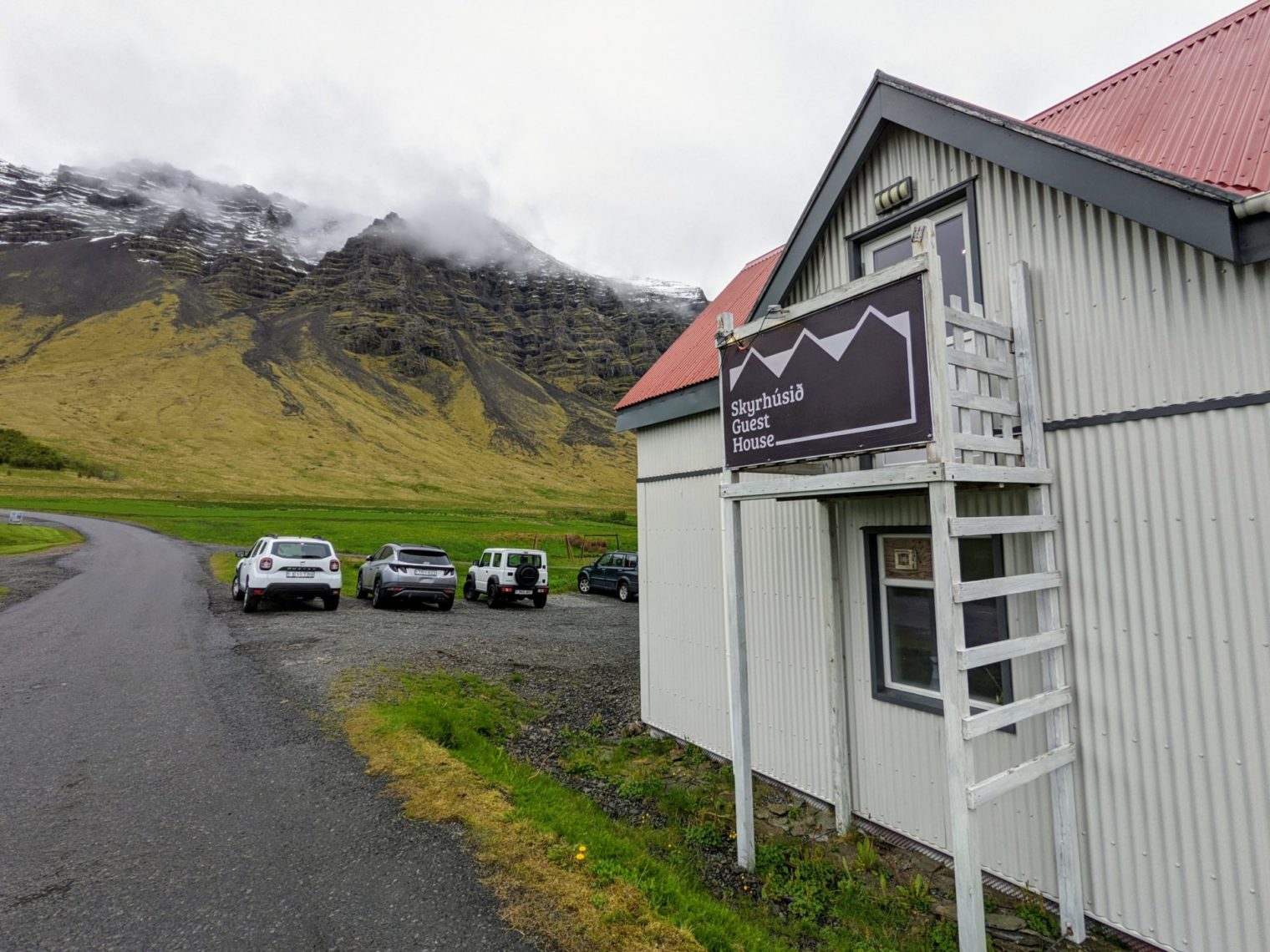 On our visit to the glacier lagoon we stayed at the Skyrhúsid Guesthouse*, just 10 minutes away. You’re super quick to reach Diamond Beach and still sleep a little away from the Ring Road. The rooms are lovingly furnished and there’s a large shared kitchen.
Skyrhúsid Guest House | Check prices*
#2 Diamond Beach
Diamond Beach is a black-sand beach directly opposite the Jökulsárlón lagoon and, in our opinion, one of the top Iceland attractions you shouldn’t miss. It’s not the only black-sand beach in Iceland, but together with the ice chunks from the neighbouring glacier lagoon this landscape is absolutely unique. Diamond Beach gets its name from the many ice chunks that float in the sea and lie on the beach. In the sunlight they often glitter like little diamonds.
What’s special about this beach is that it never looks the same two days running. It all depends on the wind, the tides and the sun – and of course the glacier. Yet every single day it looks utterly spectacular, as if someone had designed it. But nature is still the best architect of all!


What to expect
From the car park you’re at the jet-black beach within a few minutes, where – in the best case – hundreds, if not thousands of small and larger ice chunks lie on the beach or float in the water. You can walk for several kilometres along the beach, but usually that’s not necessary, because the most icebergs are right next to the channel that connects the lagoon and the beach.
#3 Skógafoss
Skógafoss is a must-do on your Iceland road trip. What makes this waterfall special is that you can walk right up to the foot of Skógafoss and get truly great shots. Skógafoss plunges almost 60 metres over a width of up to 25 metres and offers especially great photo opportunities when you get close, or zoom in with your camera. On the right-hand side of Skógafoss you can climb a staircase all the way to the top and see the waterfall from a completely different perspective.


What to expect
Expect plenty of tourists here, as this waterfall lies right on the Ring Road and is very popular. But it’s worth it. And the closer you get, the better the perspective on this spectacular waterfall. But careful – you might get wet.
#4 Things to do in Iceland: The Westfjords
Just getting to the Westfjords is an adventure in itself. This region at Iceland’s westernmost tip is wonderfully untouched and barely comparable to the rest of the country. There are only a few roads here and things are much calmer and more relaxed, as few Iceland tourists make the long journey out to the Westfjords. And that’s exactly what makes it one of the most beautiful Iceland attractions for us.
Plenty of natural highlights such as sandy beaches, waterfalls and of course the countless fjords await you here. You can take lonely hikes through nature and, with a lot of luck, spot humpback whales in the fjords. That was our wow-moment of the whole trip, at least. You can also watch the famous puffins very well on the cliffs of Látrabjarg. For us, one of the most beautiful experiences in Iceland.


What to expect
Here you’ll find the original Iceland. Sounds like a postcard slogan, but it’s actually true. With more and more tourists coming to Iceland, the atmosphere in the country naturally changes. But since very few of the crowds make it to the Westfjords, it’s still very quiet and remote here, and nature feels far stronger and rougher than in other parts of the country.
Where to stay in the Westfjords
 Guesthouse Bjarkaholt in the south of the Westfjords offers you lovely, freshly renovated rooms. There’s a well-equipped kitchen and, opposite the accommodation, a hot pot where you can relax after a tiring day on the road.
Bjarkaholt Guesthouse | Check prices*
#5 Kerlingarfjöll
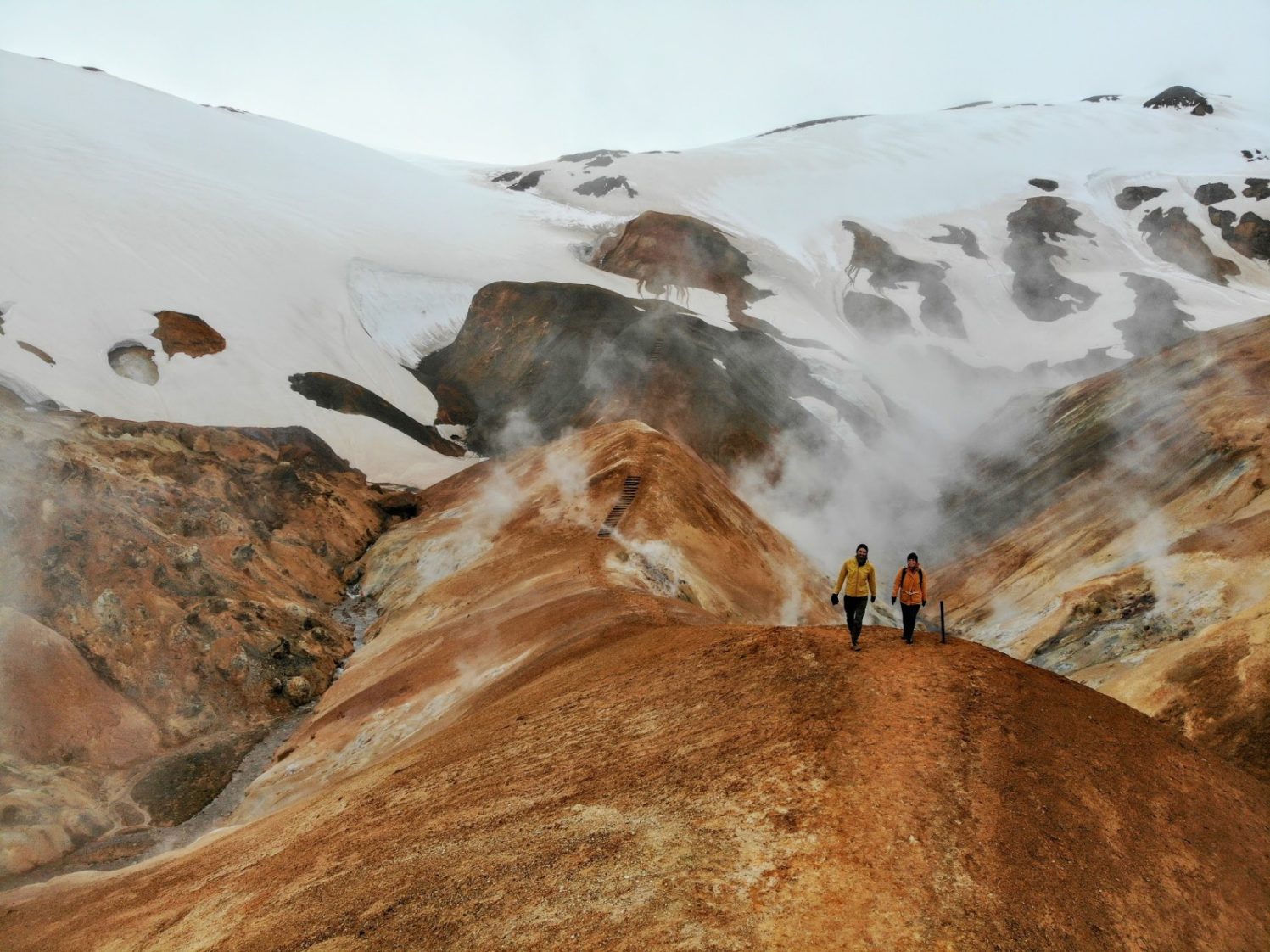
Kerlingarfjöll is one of the most surreal and at the same time most beautiful places in Iceland – and in our opinion in the world. You can experience a landscape here that no one could make up. These colours, this smell, these temperatures. Kerlingarfjöll is truly unique and one of the top attractions in Iceland.
Kerlingarfjöll is a 150 km² volcanic mountain range in Iceland’s highlands. In the middle of it lies the small but exquisite geothermal area of Hveradalir, where everything steams, mud pools bubble away and the mountains glow orange-brown. As this massif sits at over 1,000 metres altitude, it can still snow here in summer and you’ll see scattered snowfields. Temperatures are accordingly low.
What to expect
There are many hot springs here; it steams and hisses at every corner. And there are numerous hiking trails to discover. The moment you’ve left the official car park behind and the sulphur tickles your nose, you’re right in the middle of it and can’t escape this place anymore. You can spend several hours here and still keep discovering something new.
Where to stay at Kerlingarfjöll
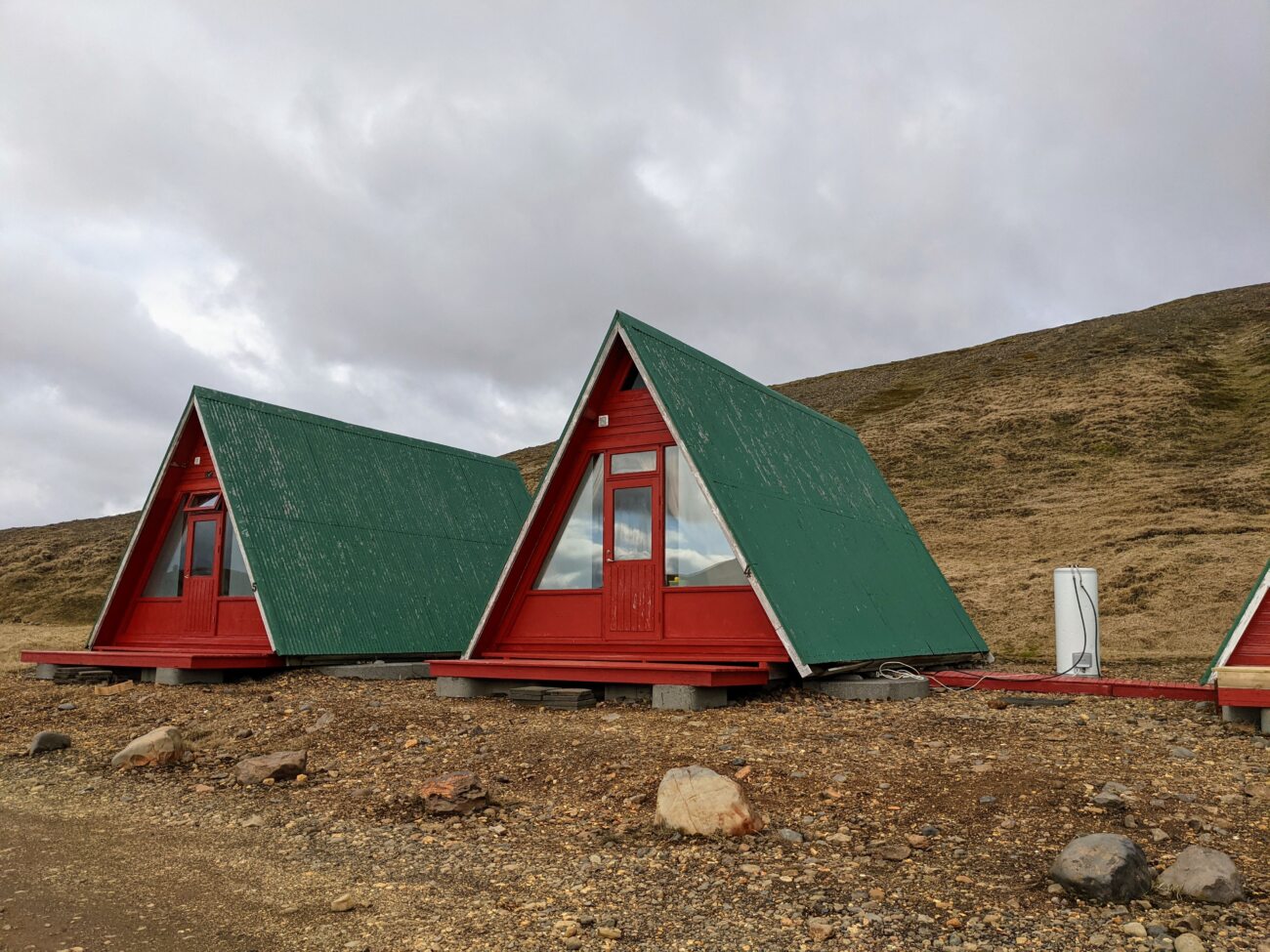 The only option to stay in these wild surroundings is the Kerlingarfjöll Mountain Resort. There are 10 cabins, a hotel with 20 double rooms and a campsite right by the river. If you want to stay in the cabins, you should make your reservation several months in advance, as the resort is usually booked out very early.
Kerlingarfjöll Mountain Resort | Check prices*
Beim Klick wird Youtube.com aufgerufen (Datenschutzerklärung) | By clicking, Youtube.com opens (Privacy)
#6 Landmannalaugar
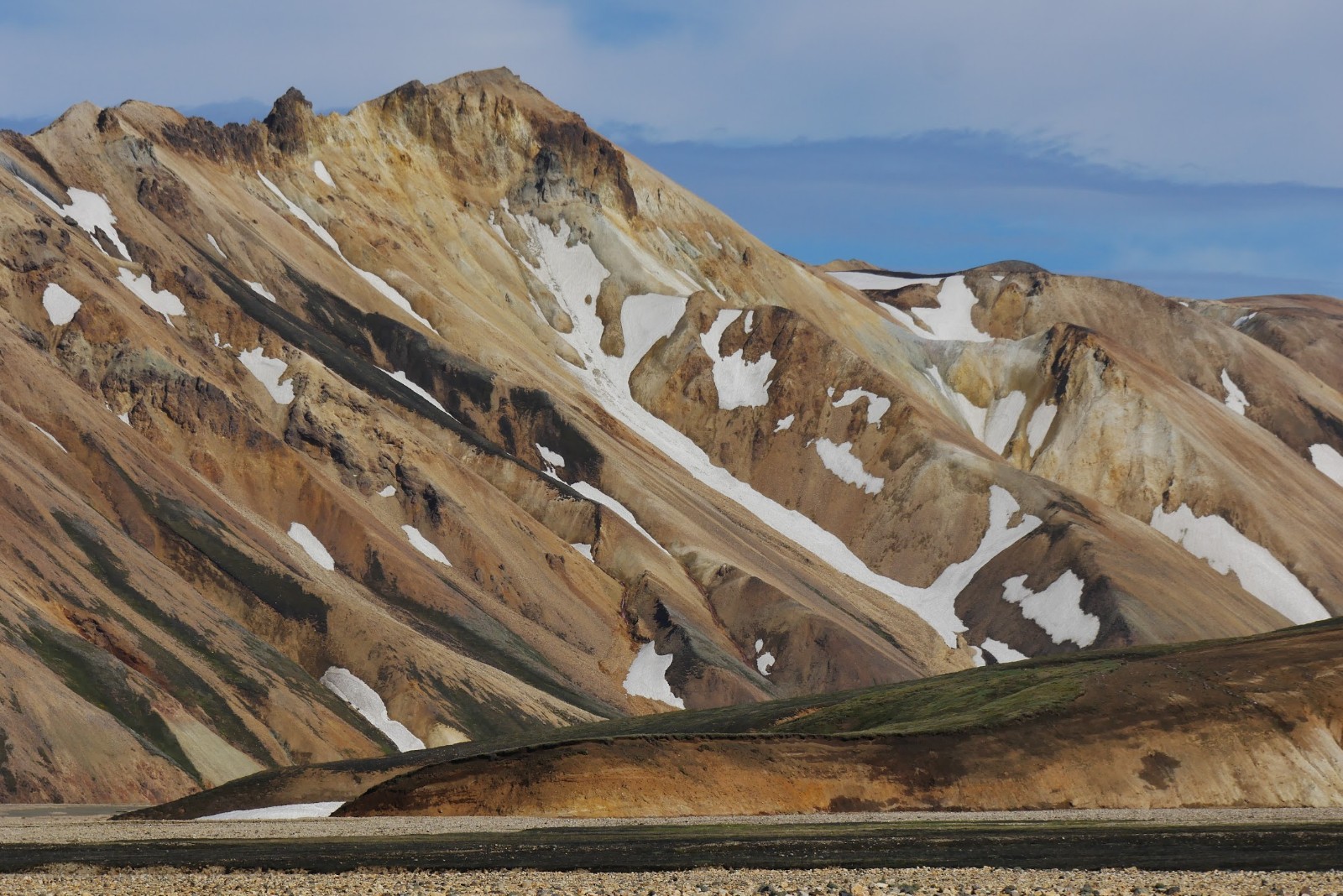
Landmannalaugar is one of Iceland’s scenic highlights, and the route over the highland track F-208 from the south is by far the most epic road in all of Iceland. The drive serves up landscapes you’ve never seen before. Landmannalaugar itself is a wonderland of rainbow-coloured mountains, black lava fields and hot springs. The surrounding rhyolite mountains offer an incredible play of colours, unique in this concentration in Iceland, making Landmannalaugar one of the most beautiful areas in the highlands and simply perfect for hiking.
What to expect
After the incredibly spectacular journey, you arrive in the remarkable magical world of Landmannalaugar. Here you can discover various hiking trails, relax in the hot pot and explore more highland highlights in the surroundings.
| Activity | Price p.P. | Tickets |
|---|---|---|
| From Reykjavik: Landmannalaugar & Háifoss Waterfall Tour | from 163 € | Book now* |
| Landmannalaugar 4-Hour Hiking Experience | from 98 € | Book now* |
Where to stay
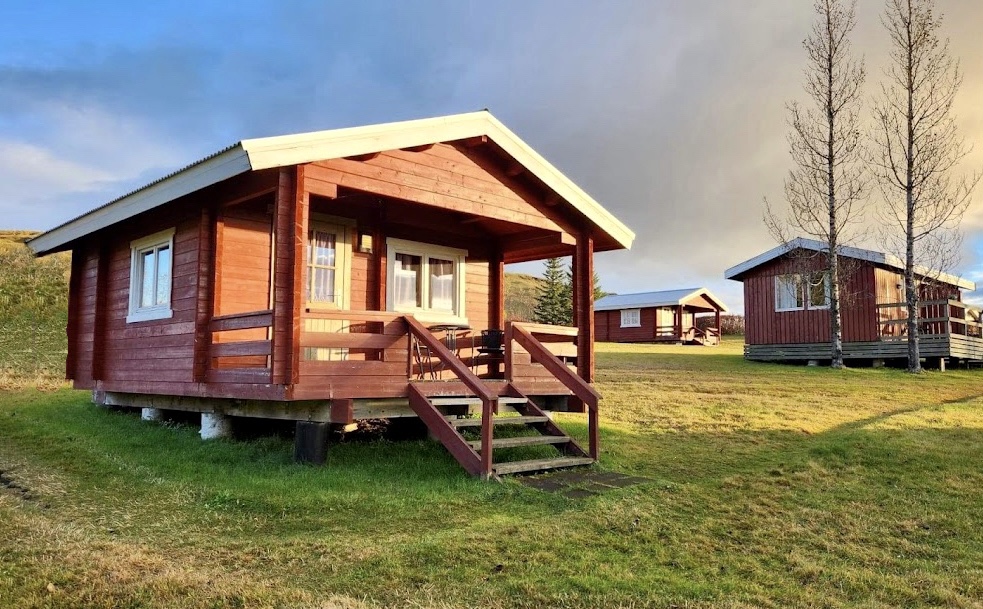 You can stay overnight in Landmannalaugar, but only in tents or dormitories. If you don’t have a campervan with you, you should drive back the same day. Back on the Ring Road, the Hunkubakkar Guesthouse awaits you. Here you sleep in your own wooden cabins in the green and can enjoy a tasty breakfast in the morning.
Hunkubakkar Guesthouse on Booking*
#7 Stokksnes
Stokksnes is a black lava beach on Iceland’s south-east coast. It consists of extremely fine, pitch-black sand and you almost feel like you’re in the Caribbean. On this very large beach there are lots of small hills covered with vivid green grass, forming a perfect contrast to the black sand. You can wander around everywhere here and take great photos – best of all with Mount Vestrahorn in the background.
Mount Vestrahorn is one of the most breathtaking mountains in the country. With peaks rising up to 454 metres, steep cliffs flanking a stunning lagoon and black-sand beaches, it’s a real treat for any nature lover. It consists mostly of gabbro, a plutonic magma rock, and is almost 11 million years old.

What to expect
This area is genuinely wild and unexpectedly beautiful. Although this beach lies only a short way off the Ring Road, comparatively few tourists come here. You can take wonderful photos and stroll along the beach. If you drive the road all the way to the end, you also have the chance to spot seals.
#8 Dettifoss
Not far from Húsavík, the whale-watching capital, you’ll find the powerful Dettifoss. This imposing waterfall plunges from 44 metres over a width of around 100 metres into a long canyon and is considered one of the most powerful and high-volume waterfalls in Europe. It’s fed by the glacial river Jökulsá á Fjöllum – in summer, when glacier meltwater swells the river, several hundred cubic metres of water per second shoot into the canyon. A truly impressive spectacle.
The whole show is genuinely impressive, which is why this waterfall is one of Iceland’s most beautiful for us too. The spray the waterfall throws up is more than a hundred metres high and can be seen from quite a distance. In sunshine, the spray creates a beautiful rainbow above the waterfall, giving the whole scene an especially lovely look.


What to expect
After just a few hundred metres on foot you reach the waterfall and can wander around to your heart’s content, as there are no barriers here at all. So, if you’re as daring as we were, you can go right to the edge of the waterfall to witness the water masses pouring into the canyon.
#9 Fjaðrárgljúfur Canyon
The canyon with the unpronounceable name lies in the south of Iceland, about 70 kilometres east of Vík, and is one of the most beautiful Iceland attractions for us. In places the canyon is up to 100 metres deep and about 2 kilometres long. It formed around 2 million years ago, offering steep cliffs and fantastic views of the rugged rock landscape. The canyon was carved by the river Fjaðrá, which rises far away in the highlands.
As the river looks rather puny today, it’s hard to imagine how it dug out this canyon over the millennia. As a colourful contrast to the grey rock, the canyon is also covered in masses of grass and moss, which makes the atmosphere even more striking.


What to expect
From the car park, a narrow trail along the rim takes you in about an hour to a waterfall that pours into the canyon, and back again. For conservation reasons the path is now a fixed trail with viewing platforms; the old “wild” viewpoints right at the edge are closed off. During snowmelt or in winter the access road can be closed entirely – check road.is beforehand.
#10 Laki Craters
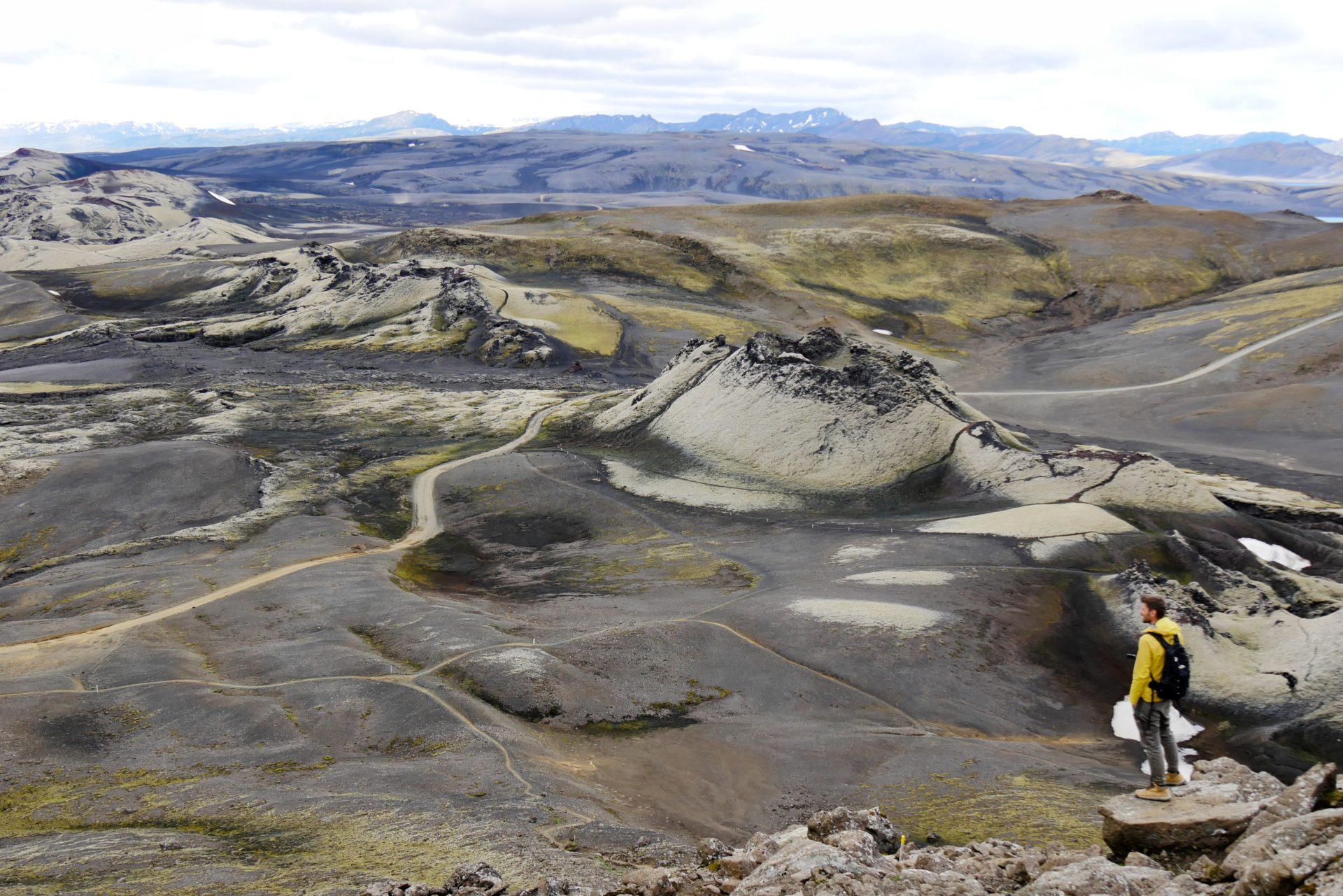
The Laki craters are named after Mount Laki, which sits in the middle of the crater row, and are one of Iceland’s most stunning sights. The craters formed during one of the largest volcanic eruptions in human history. The eruption began on 8 June 1783 and lasted until February 1784. Every few weeks a new volcano formed in the row of Laki volcanoes and spewed lava.
When the eruptions reached Mount Laki, the force from the earth’s interior wasn’t strong enough to break through the mountain itself. So the eruptions continued on the other side of the mountain, creating the 25 km long row of Laki volcanoes. Today you can only guess at the violence of the eruption, but the historical background and the beautiful highland landscape make this day trip to the Laki craters a top highlight of any Iceland road trip.
What to expect
From the car park, where there’s also a toilet, you walk up the 800-metre-high mountain in about 30 minutes. From the top you have a fantastic view over the entire crater row and, in good weather, all the way to the dusty horizon.

Tip: Check in advance on road.is whether the highland track to the craters is open.
#11 Golden Circle
The Golden Circle is one of the top highlights in Iceland. Pretty much every tourist who travels to Iceland comes here. Some even exclusively, because thanks to the proximity to the airport many stop here even on a single-day stopover to see the famous Golden Circle attractions. It gets correspondingly touristy here.
There are several sights to see here, and the three most beautiful and best-known are: the waterfall Gullfoss, the Strokkur geyser and Thingvellir National Park. You can easily spend 1–2 days here, but you can also tick off the most important things in half a day.


What to expect
At all three major sights, you’ll mainly be met by plenty of tourists. There are large car parks and shops, and nowhere else in Iceland did we see things so developed for tourism. Still, the visit is worth it in our opinion, because there’s a reason (besides the airport’s proximity) why everyone comes here.
| Activity | Price p.P. | Tickets |
|---|---|---|
| From Reykjavik: Golden Circle Full-Day Tour with Kerid Crater | from 65 € | Book now* |
| Golden Circle and Glacier Snowmobile Tour | from 240 € | Book now* |
| Golden Circle & Blue Lagoon Small-Group Tour | from 199 € | Book now* |
Where to stay near the Golden Circle
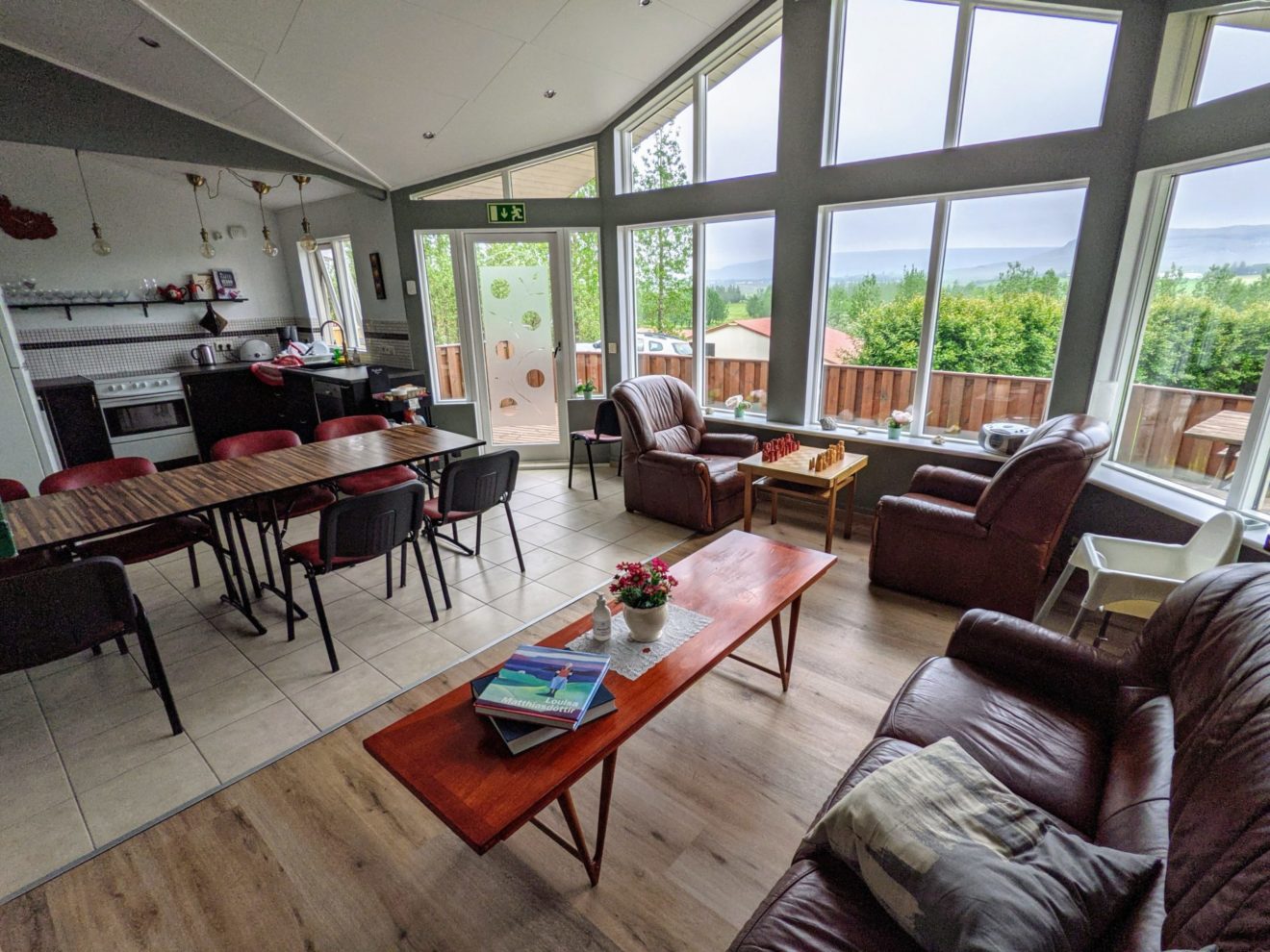 We’ve picked out a nice hotel near the Golden Circle for you, with a large communal area and even a hot tub. Perfect for recovering after a long day.
Efra-Sel Hostel | Check availability*
#12 Fimmvörðuháls Hike
East of the waterfall, the famous Fimmvörðuháls trekking trail climbs up to the Fimmvörðuháls pass and on to Þórsmörk. At 25 km, this hike is no joke. It’s usually done over 2 days, as it’s correspondingly strenuous.
The destination is the campsite at Þórsmörk, from where you can take a bus back to the Ring Road. You can also manage the hike in a day, either by being very fast or by walking only as far as the midway point, the Fimmvörðuháls huts (about 8 km), and turning back.

What to expect
Expect an exciting but also strenuous hike. At the start you walk along the canyon and the river that feeds Skógafoss. If you don’t want to walk the whole way, you can simply hike a few kilometres from Skógafoss and then turn back the same way.
| Activity | Price p.P. | Tickets |
|---|---|---|
| From Reykjavík: Day-Trip to Thórsmörk with Mountain Hike | from 300 € | Book now |
| From Reykjavik: Super Jeep Tour of Thórsmörk Valley | from 250 € | Book now* |
#13 Seljalandsfoss
This is one of Iceland’s most famous waterfalls and is renowned for the fact that you can walk behind the waterfall for a great photo perspective. The waterfall plunges 66 metres and is fed by the Eyjafjallajökull glacier, which spectacularly grounded air traffic across Europe in 2010. A visit is especially rewarding in the evening, as the sun is then beautifully positioned when you stand behind the waterfall.


What to expect
One of the finest Iceland attractions awaits you here, because there aren’t many places where you can stand behind a waterfall. But beware… you’ll definitely get wet here. Its proximity to the Ring Road also means this highlight is well visited, and even the car park charges a fee.
#14 Glufrafoss
Glufrafoss (also known as Gljúfrabúi) is just a few hundred metres from Seljalandsfoss, and you’d best bring wellies and a rain jacket. You have to walk through a small canyon, straight through the water, to reach the waterfall.

What to expect
Here the journey to the waterfall really is the destination. The waterfall itself isn’t all that spectacular, but the gorge you have to pass through is wonderfully adventurous, and it’s fun hopping from stone to stone to get through the canyon with dry feet.
#15 Dyrhólaey Peninsula
The Dyrhólaey peninsula consists of an impressive rock plateau that drops to the sea in a spectacular cliff, where thousands of birds (including arctic terns and also puffins) nest. The road right to the top, where there’s also an old lighthouse, is very steep and takes you up in switchbacks to the summit. But even with a normal car you shouldn’t have any problems if you bring a little driving skill.


What to expect
At the top, in good weather, you have a view stretching for kilometres over the black beach towards the west. On the other side of the plateau you can see all the way to the sea stacks of Vík (Reynisdrangar), and right at the foot of the plateau there’s a rock arch that boats sometimes even sail through.
#16 Kvernufoss
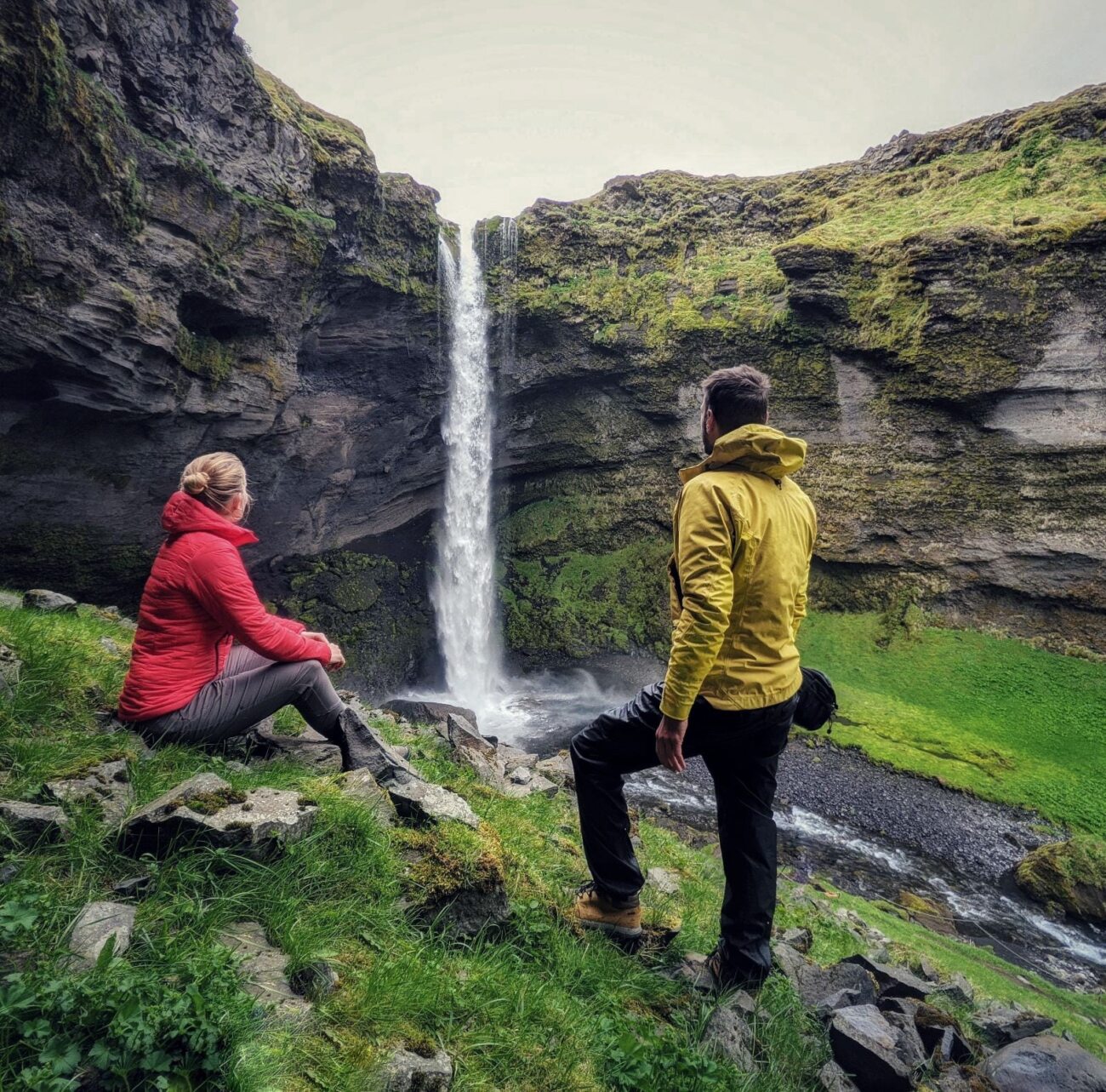
Kvernufoss lies right next to the famous Skógafoss and thus directly on the Ring Road in the south of Iceland. Kvernufoss was only the third waterfall we visited in Iceland and is one of just two (at least we know of no others) where you can actually walk behind the waterfall. We were impressed not only by the waterfall itself but also by the small gorge it sits in.
Even though the waterfall isn’t the tallest or most spectacular, the little gorge and the fact that you can walk behind it make Kvernufoss a great attraction. It’s also not quite as touristy as, for example, Seljalandsfoss.
What to expect
Here you’ll find the un-touristy alternative to Seljalandsfoss. We were on our own here for quite a while and could admire the waterfall up close. But do bring your rain gear, as you’ll get properly wet both behind and at the foot of the waterfall.
#17 Fjallsárlón
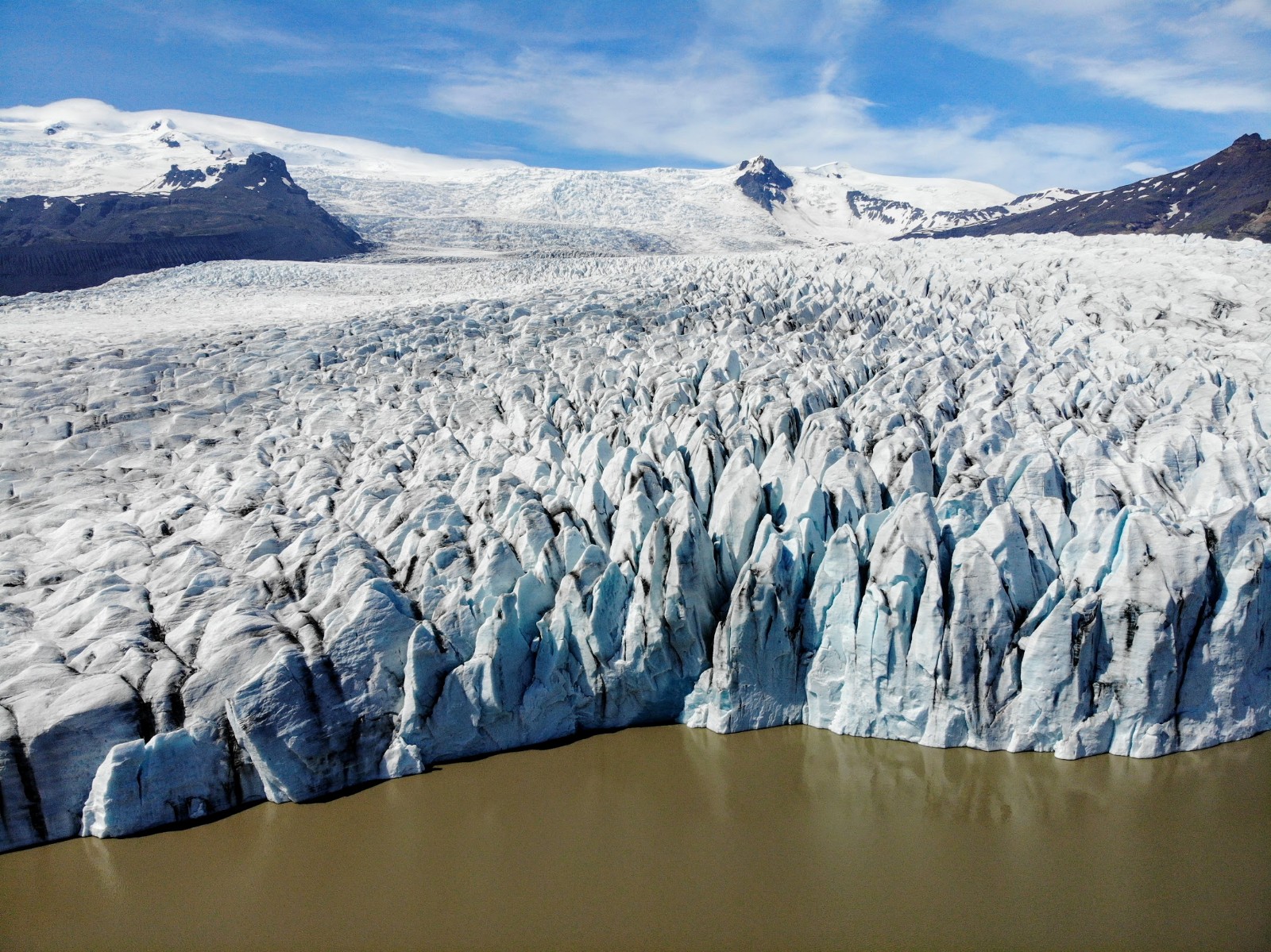
Near the Jökulsárlón glacier lagoon lies what you might call a glacier insider tip, and another great Iceland attraction. Well, it’s not really a secret, as it gets busy here too, but very little compared to the Jökulsárlón lagoon. We’re talking about the Fjallsárlón glacier, which is also a side arm of the Vatnajökull glacier.
The special thing – and the reason you should definitely see this attraction – is the much closer glacier. Here you can really see the glacier with your own eyes, which you can’t at the neighbouring glacier lagoon. There, you can only sense it.
What to expect
At Fjallsárlón you have a great view of the glacier’s calving edge and, with a little luck, you can even see the glacier calve – that is, ice chunks breaking off the glacier. As you pass by here anyway on your road trip, you should definitely stop. The experience is simply quite different here and well worth seeing.
#18 Goðafoss
The Goðafoss waterfall lies just off the Ring Road and is one of the most famous waterfalls in all of Iceland. The water of the river Skjálfandafljót, which rises hundreds of kilometres away in the Icelandic highlands, plunges about 11 metres over a width of almost 160 metres in a great arc. Since 2020 this waterfall has even been a protected natural monument.
Goðafoss isn’t very tall, but it’s impressively wide. And the gorge it has carved on its onward course is very striking too. The area around the waterfall is well developed for tourism, which is why it surprised us that we met hardly any other tourists here. But maybe that was down to the late hour, as it was just before 9 pm when we arrived.


What to expect
Several paths have been laid out around the waterfall and along the gorge, on which you can also get down to the riverbed and admire the waterfall and river from every angle. There’s also a footbridge across the river, so you can easily reach the other side.
#19 Mývatn
Lake Mývatn is Iceland’s fourth-largest lake and is volcanic in origin. The whole area around the lake is still volcanically active today, as the boundary between the Eurasian and American tectonic plates runs right through here. You can drive once around the lake and take in the numerous sights.


What to expect
Several Iceland attractions await you here at once. Besides the lake itself, you’ll find caves filled with thermal water, the Höfði woodland or the Hverir geothermal area. To relax perfectly after a day of exploring, head to the Mývatn Nature Baths*.
| Activity | Price p.P. | Tickets |
|---|---|---|
| Myvatn Nature Bath | from 45 € | Book now* |
Where to stay
Just 6 km from the Mývatn Nature Baths is the Fosshótel Mývatn. Here you get breakfast, can hire bikes, and that from as little as €120 per night in a double room.
Fosshótel Mývatn on Booking.com*
#20 Whale Watching in Húsavík
Húsavík is the capital of Iceland’s whale-watching tours. Almost all tours for spotting whales on the open sea in Iceland start in this small town. The perfect conditions for whales in Skjálfandi Bay give the whale-watching tours in Húsavík a really good success rate of almost 98% – at least according to the operators. You can mainly spot minke whales, humpback whales and sperm whales in Húsavík. With a bit of luck, orcas and rare blue whales too.


What to expect
Even though you can spot these magnificent animals from land with a bit of luck, you should book an organised tour*. You can head out to sea by speedboat or, more gently – and better for the animals – start your whale watching on slower sailing ships.
Book a whale watching tour in Húsavík*
#21 Snæfellsnes Peninsula
On the Snæfellsnes peninsula, several beautiful Iceland attractions await you at once. Even the journey here is a special highlight, as road 60 leads through deserted areas and wonderful landscapes. The peninsula is also easy to explore on a short trip thanks to the airport’s proximity. From Reykjavík you can also book a day trip to the peninsula*.


What to expect
On the Snæfellsnes peninsula you’ll find one of Iceland’s most famous photo motifs with the Kirkjufellsfoss waterfall. The area is genuinely gorgeous. Beyond that, you should visit Djúpalónssandur beach with its rugged rock formations and small, polished black pebbles and black lava sand. The next highlight is the Lóndrangar viewpoint. Here you can park for free and walk along the spectacular cliff. But careful, it’s really very windy here.
Day trip to Snæfellsnes | Check prices*
Where to stay
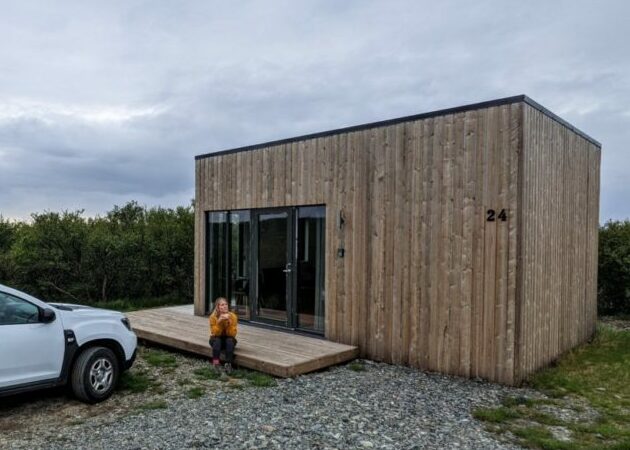 – Absolutely quiet location, right by the sea
– You have a cabin all to yourself with views into nature
– The cabin has a bathroom, kitchen and large floor-to-ceiling windows
#22 Blue Lagoon
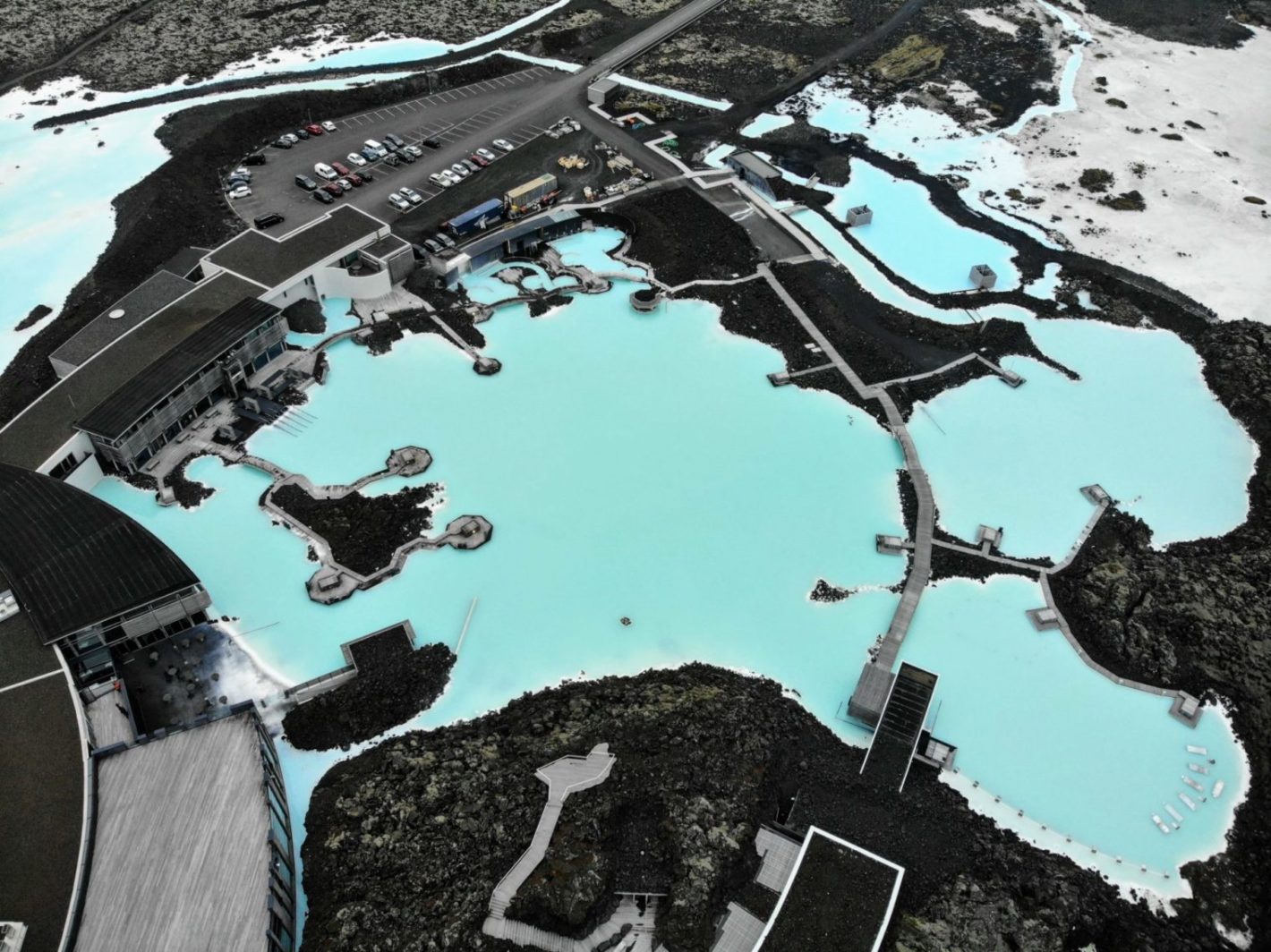
The Blue Lagoon is a thermal spa fed with around 37–40 °C water from a geothermal source. The water is milky-blue and forms a striking contrast to the black lava rock surrounding the lagoon. It’s not cheap: the Comfort ticket starts in 2026 at around 11,990 ISK (roughly €82–95), prices are dynamic and more expensive depending on the time slot. But you do get quite a lot in return.
Important: The Blue Lagoon is located on the Reykjanes peninsula, an active volcanic area. Since 2023 there have been repeated eruptions and short-notice closures there. Before your visit, be sure to check the situation on safetravel.is and the official website.
What to expect
There’s a free drink, a free face mask, and you also get towels here for free. The Blue Lagoon is always very busy, but as the grounds are very spacious, the crowds disperse quickly and you don’t get the feeling it’s really full.
You should book your tickets a few days in advance, and you have to choose a specific time slot when booking. Tickets are available on the official website or via GetYourGuide*. We recommend booking via GetYourGuide*, as there are often still same-day tickets here while the official site is already sold out.
#23 Stuðlagil Canyon
Stuðlagil Canyon is a gorge not far from Egilsstaðir, boasting impressive basalt column formations and one you can hike right down to the foot of. The name Stuðlagil also means “basalt column gorge” in Icelandic, and it’s said to have the largest number of basalt columns in all of Iceland.
Basalt columns form, by the way, as lava cools, when the cooled lava contracts into crystal shapes. The resulting columns are usually vertical, but in this gorge horizontal ones occur too. Most of the columns are hexagonal (six-sided), but you’ll also find basalt columns with four or five sides.
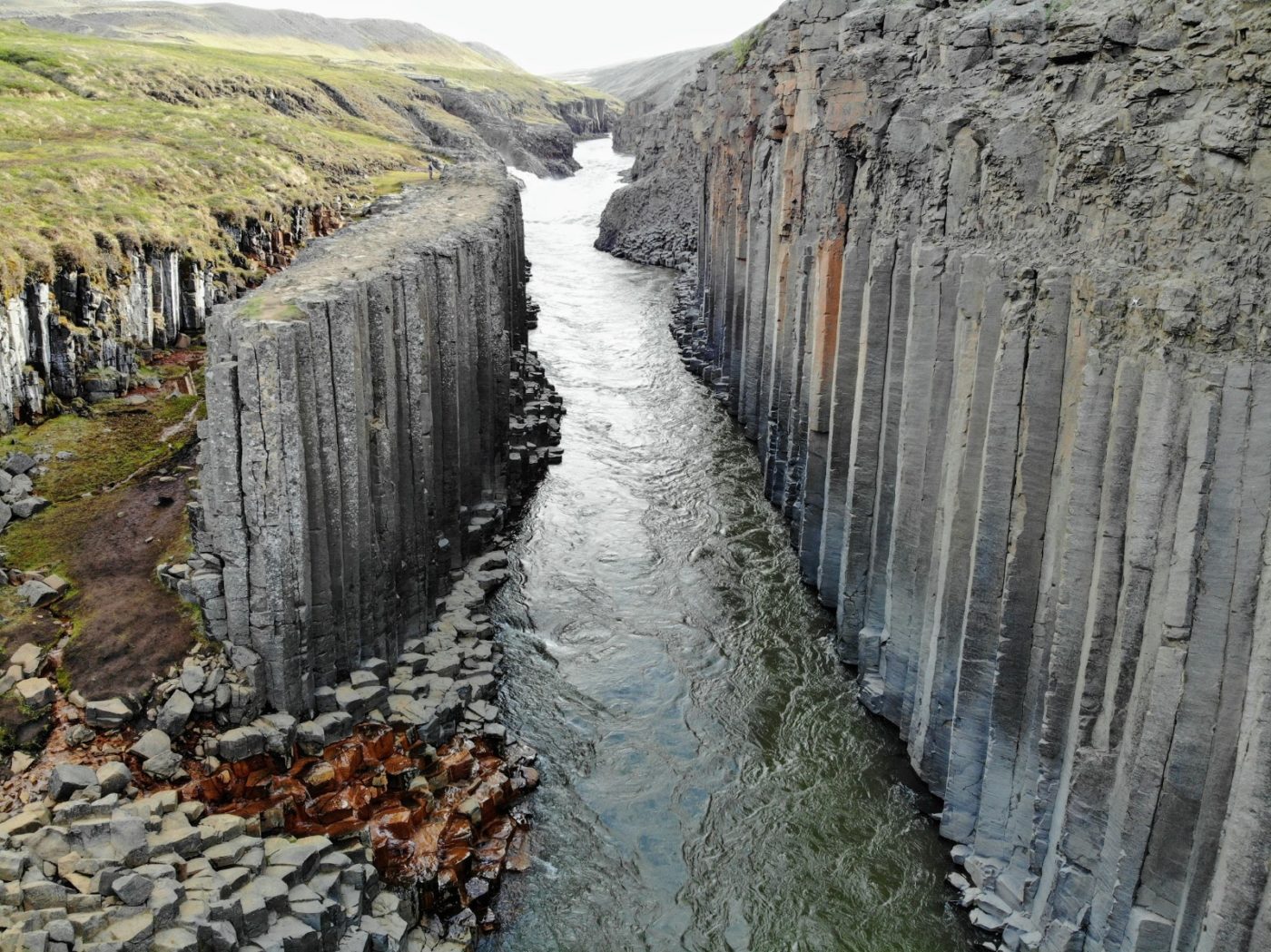
What to expect
You drive just a few kilometres off the Ring Road onto a gravel track and then have to choose between two car parks. If you have little time and no desire to hike, drive straight on until you reach this car park (Google Maps link). Here you park at a small campsite with a toilet. You can walk 240 steps down a steep metal staircase and then look down into the gorge from a small viewing platform at around 50 metres height. You can’t get further down into the gorge from here.
If you really want to climb down into the canyon and wander around in it, you have to drive to a car park that branches off the road a few kilometres earlier (Google Maps link). From there you can drive about 2 km further on a somewhat rough road until you reach the second car park. From there it’s another 2 km on foot, which takes about 30 minutes.
Where to stay
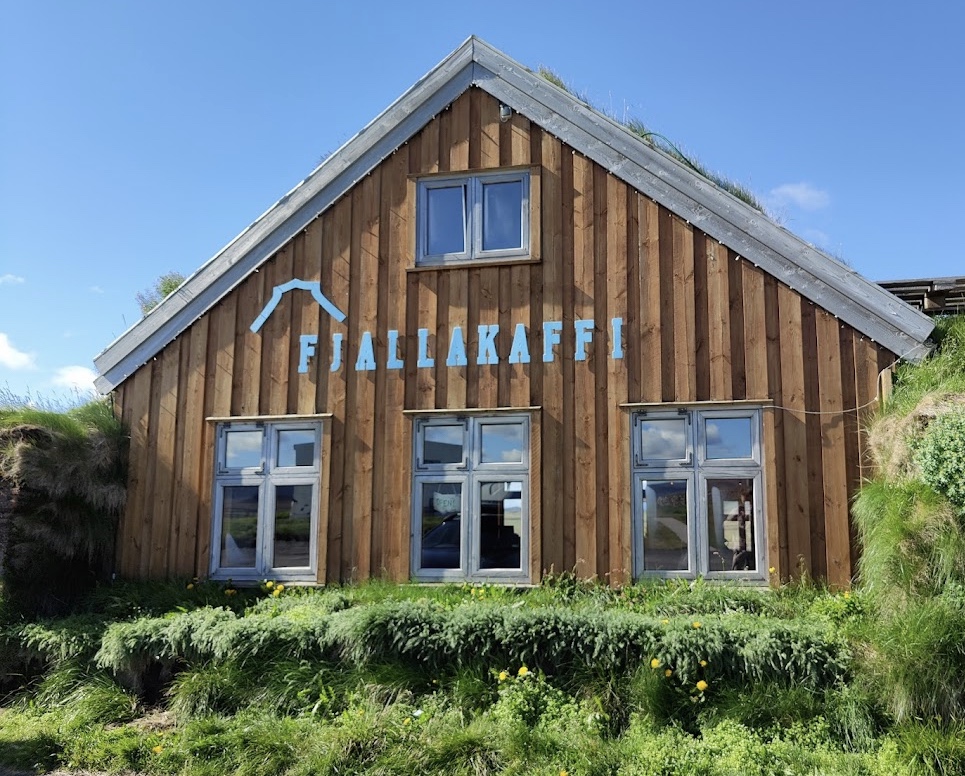 Near the Stuðlagil gorge you can stay at the cosy Fjalladyrd Guesthouse. The guesthouse is in a quiet location and breakfast is included.
Fjalladyrd Guesthouse | Check prices*
#24 Þakgil
Just a few minutes outside Vík (Google Maps link) begins one of Iceland’s true dream roads, the Kerlingardalsvegur to Þakgil. The road to Þakgil canyon leads to the remote Þakgil campsite in the Katla nature reserve, which should only be visited with a 4×4 vehicle (read our rental car guide here). Here, the journey really is the destination.
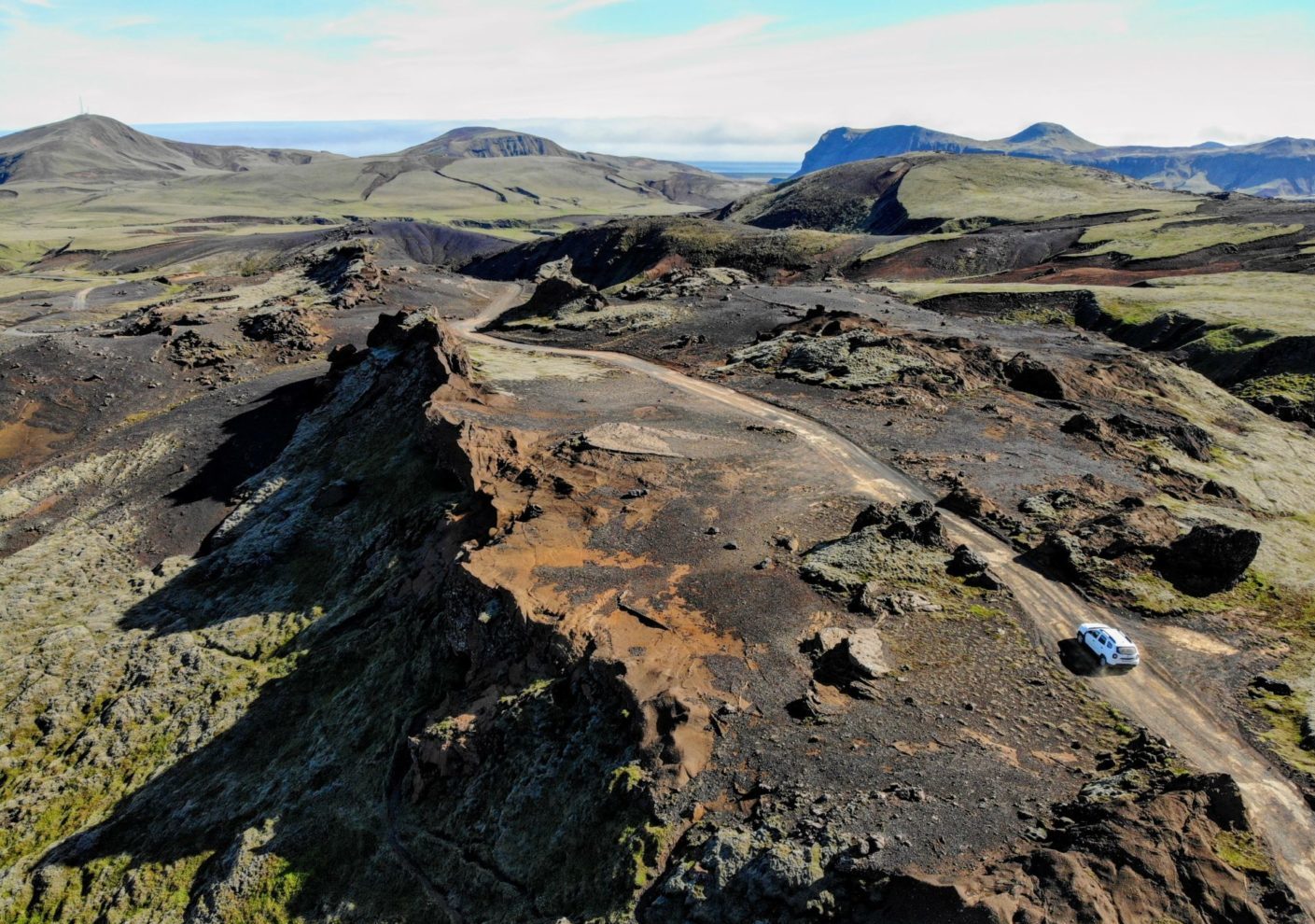
What to expect
You have fantastic views again and again, and the route is genuinely varied. The campsite at the end of the road is surrounded by high mountains and crossed by a small river. Various hikes into the beautiful surroundings start here too.
It’s wonderfully idyllic here and we would gladly have stayed overnight if the cabin prices hadn’t been so high (€180 per night). So we enjoyed the nature for a while and then drove back towards Vík.
#25 Reynisfjara
In the south of Iceland, just before the town of Vík, a black lava beach with spectacular basalt columns awaits you. Right by the sea and next to a large cave (Hálsanefshellir Cave), hundreds of columns, some 30 metres high, wait to be admired by you.
But be careful – this is one of the most dangerous beaches in the world: So-called “sneaker waves” run extremely far up the beach here without warning and have claimed several lives since 2007, most recently in 2025. Since 2022 there has therefore been a warning-light system (yellow/red) and marked safety zones right at the access point. Always follow the lights, don’t go to the basalt columns when it’s red, and never turn your back on the waves. Even a few metres’ distance from the waterline can make the difference.


What to expect
The nearby car park is, as everywhere in Iceland, free and big enough. You walk just a few minutes and reach the pebble beach, where you can take great photos of yourself on the basalt columns. But be warned, you won’t be alone here. The place is always very busy and it’s not easy to find a spot for an undisturbed photo.
Where to stay
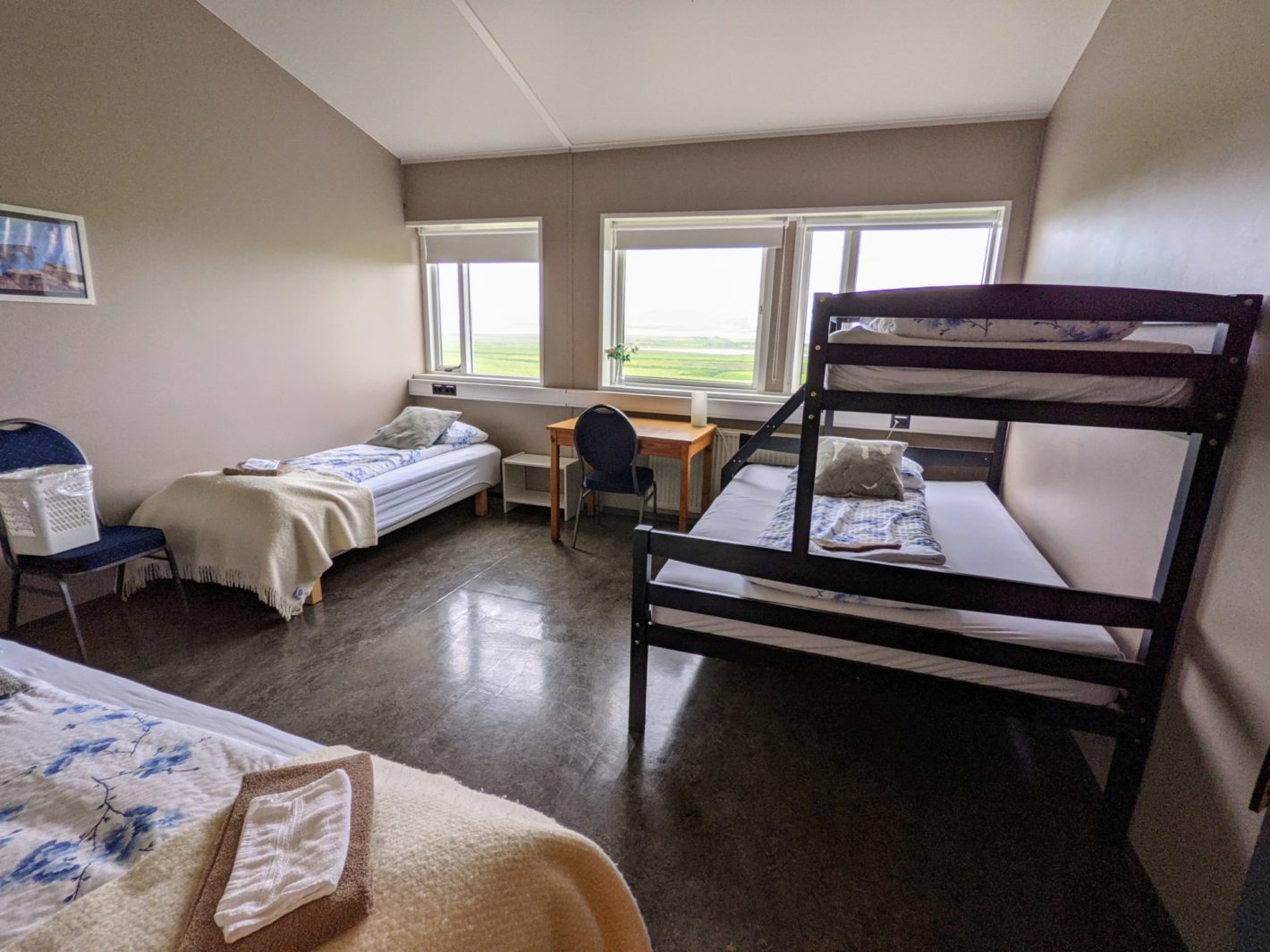 We stayed at this wonderful little hotel, which was recently modernised. You’re within walking distance of the famous basalt columns at Black Beach Reynisfjara. There’s free breakfast in the form of coffee, biscuits and cereal, and you pay only around €50 per night here. We felt very much at home.
#26 Öxi Road
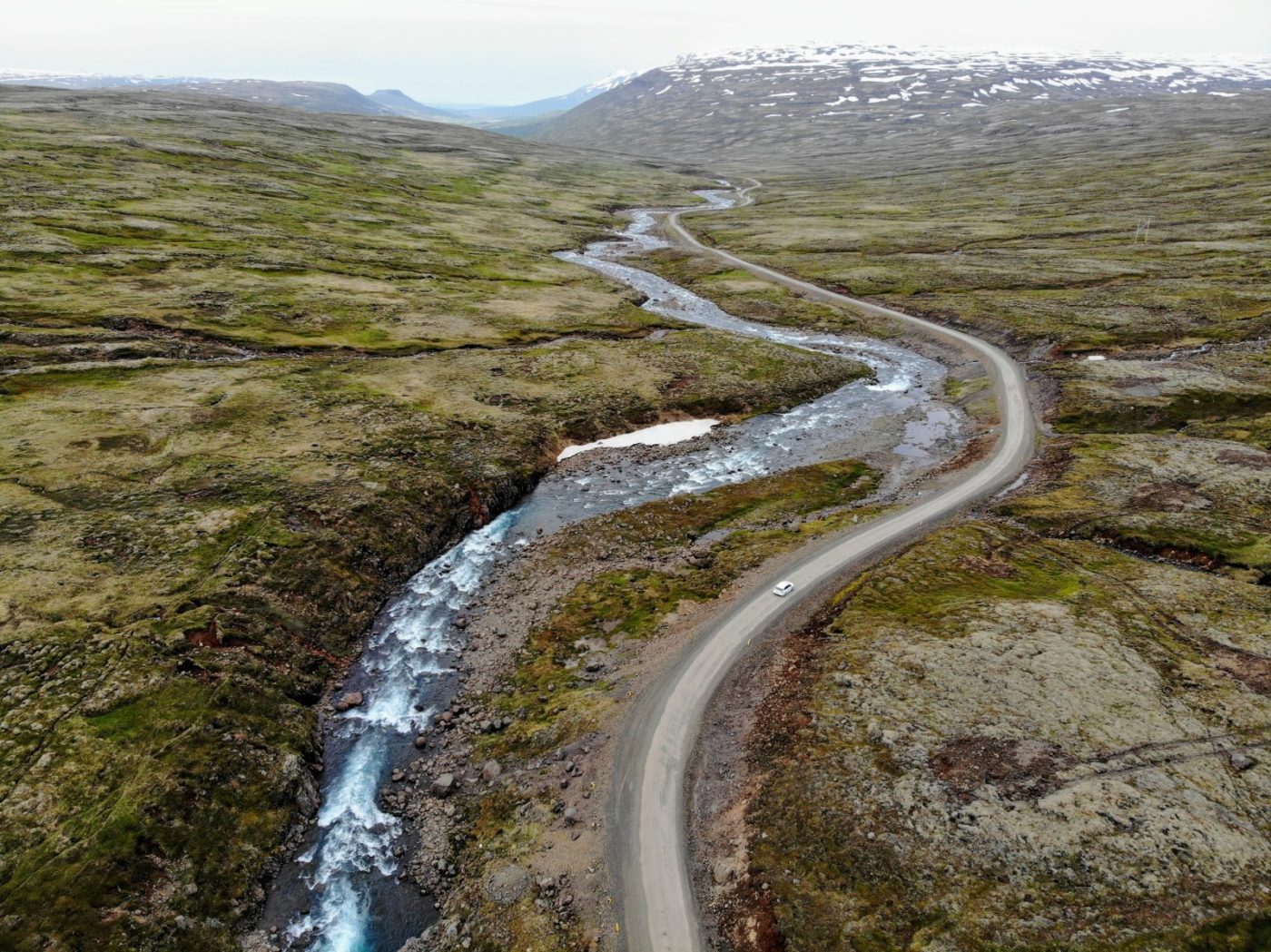
The Öxi Road is a short track that branches off the Ring Road in Iceland’s Eastfjords and rejoins it a few kilometres later. The little detour is well worth it, though, as the road feels like a highland route and serves up spectacular views. So if you haven’t planned a trip into the highlands, this is the perfect alternative – and for us, one of the most beautiful Iceland attractions.
What to expect
You do drive on gravel tracks here, but at the start (coming from the south) up a steep series of hairpins. At the top, a phenomenal view opens up into the valley stretching for kilometres ahead and the waterfall beside you. Simply fantastic! Further along you drive beside a wildly flowing river that shines with several smaller waterfalls. Later on the track gets wilder and wilder and invites you to countless photo stops. Anyone who doesn’t drive this has really missed out!
#27 Golden Valley
The Golden Valley is an insider tip not far from the Ring Road (Google Maps link). You don’t have to drive any highland track here, but it feels pretty much like it. You shouldn’t drive this stretch with a normal rental car.
The Golden Valley is, as the name suggests, a valley awaiting you with shimmering, colourful mountains. You walk the whole time over thick pebbles, and the mountains around you enchant with bright colours and wind left and right again and again, so that you never quite know how far you can still walk here.


What to expect
The mountains aren’t really golden, but the experience of hiking through this narrow gorge, seeing the steep hills around you and being completely alone, is very cool indeed. If you do drive out here, you’ll probably be all on your own: a real insider tip, and therefore one of the most beautiful Iceland attractions for us.
#28 Skaftafell National Park
Skaftafell National Park was founded in 1967 and later incorporated into Vatnajökull National Park. It covers over 1,700 square kilometres and lies just off the Ring Road. Here you can, among other things, hike to the beautiful Svartifoss and, on a second hike, get very close to the glacier.
This hike to the Vatnajökull glacier takes you to a side arm of the Vatnajökull glacier, which you also see at the nearby Fjallsárlón glacier lagoon. Here, though, you get much closer and, if you wear wellies and carefully cross a small river, you even reach the glacier’s ice cap directly. In about 30 minutes you walk from the car park to the glacier.
The second big highlight of Skaftafell National Park is the Svartifoss waterfall, which cascades over a rock face full of basalt columns. In about 45 minutes you walk from the park’s large visitor centre to the waterfall and back to the car park on a loop trail.


What to expect
There’s a large visitor centre here with a restaurant, toilets and souvenir shop. The accompanying large car park is paid: you’re registered by number plate on entry and pay the daily fee of currently 1,000 ISK (about €7) conveniently via the Parka app or at the machine. If you’ve already paid the same day at another spot in Vatnajökull National Park (e.g. Jökulsárlón), you get 50% off. The national park is gorgeous – on the hike to the glacier in particular we were almost alone, while there were a few more people heading to Svartifoss.
#29 Puffins at Látrabjarg
One of Iceland’s greatest attractions are the puffins. These little creatures are simply wonderful to watch. In Iceland, especially between May and August, there’s the chance to watch puffins at several places. We saw them on the cliffs of Látrabjarg in the Westfjords.


What to expect
Watching the little puffins was a really wonderful experience. As they’re sometimes not right up close, it’s worth bringing a good camera with zoom and perhaps even binoculars. Although you can watch puffins in many places, we found the cliffs of Látrabjarg truly beautiful. To make sure the birds are currently there, it’s best to check the Google reviews. You’ll often find recent comments about sightings there.
#30 Hengifoss
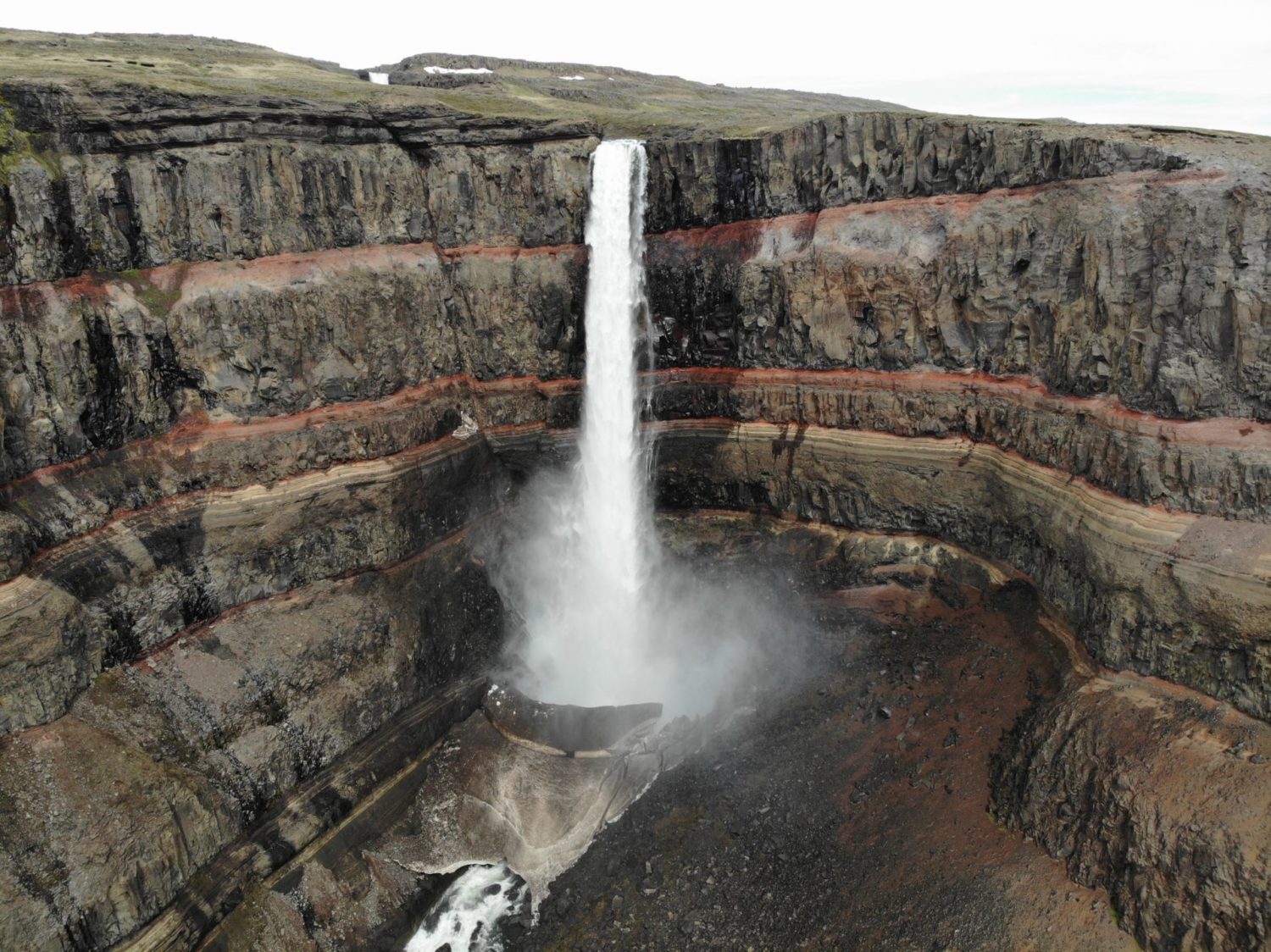
Hengifoss is usually well visited, which is why there’s even a food truck at the free car park. From the car park you walk up the steep path in about 1 hour until you reach a viewpoint over the waterfall. From here, about 1 km from the waterfall, you have a great view of the red layers that run through the back wall of the waterfall. These were formed, by the way, by oxidised lava layers laid down over the past millennia.
What to expect
Hengifoss may not be Iceland’s largest waterfall, but thanks to the differently coloured rock layers it has a unique look, which makes it a very special Iceland attraction.
Things to do in Iceland – FAQ before your trip
What are the best attractions in Iceland?
The best Iceland attractions include the Jökulsárlón glacier lagoon with Diamond Beach, the Skógafoss and Seljalandsfoss waterfalls, the black-sand beach of Reynisfjara, the highland highlight Landmannalaugar and the Golden Circle – you’ll find all 30 on the map above.
How many days do you need for all the things to do in Iceland?
For the highlights along the Ring Road you should plan 7 to 10 days; for all 30 including the highlands and Westfjords, more like 2 to 3 weeks. You’ll find concrete routes in our 7-day itinerary and our 3-week road trip.
Do you need a 4×4 for the Iceland attractions?
For the Ring Road and most highlights, a normal rental car is enough. As soon as you want to head into the highlands to Landmannalaugar, Kerlingarfjöll or the Laki craters, you absolutely need a 4×4 – more on that in our rental car guide.
When is the best time to visit Iceland?
The best time to visit for all 30 attractions is summer, from June to August, when the highland tracks are open too. In winter many F-roads are closed, but you have the chance to see the northern lights.
Can I use the Iceland map offline?
The most reliable offline option is a printed map. In the Google Maps app you can also save the Iceland region as an offline map and add the individual spots as favourites in advance – then you’ll see them even without reception.
What are the best things to do in Iceland with kids?
Family-friendly highlights from this list include Diamond Beach, the easy waterfalls Skógafoss and Seljalandsfoss, whale watching in Húsavík and the Mývatn Nature Baths – all reachable without a 4×4 and great for kids and teens.
Have you been to Iceland already? If so, leave us a comment about which of these you think is one of the most beautiful things to do in Iceland.